Notes from the Road: 3 Things I Learned on Path to a Career in PR

Beginning a career in public relations can be quite a daunting prospect. There is no point-by-point roadmap to direct you on the way to professional success, and you will encounter plenty of obstacles along the way. I found myself in the hectic world of the “entry-level” after graduating college in May 2013; and now as I prepare for the next step in my career, I can think of a few pieces of advice that I have picked up along the way:

1) Be open to whatever comes your way, and be ready for some hard work.

When I graduated with a BA in history and started exploring public relations as a potential career path I was totally overwhelmed. I had done one PR internship in college, but I quickly found out, that I was not ready to become a high-powered account executive on day one. The difficult reality for me was that I needed to get more experience, and that meant internships, and unpaid internships at that.

I realized I knew a lot of people in health care, and I managed to find an internship with my alma mater’s children’s hospital. To support myself financially, I worked nights as a technician in the hospital’s pharmacy while I interned during the day. Those long days and nights at the hospital were not exactly what I would call fun, but I managed to learn a ton from my bosses, who held me to a very high standard and dramatically improved my writing.

2) Join your professional community.

One of the best things my boss at the children’s hospital did for me was encouraged me to join PRSA and be active in the profession. At a PRSA sponsored lunch, I sat at the same table as the social media department one of my town’s leading PR agencies, and after an interesting conversation about social media I asked for an informational interview. That interview eventually led to another internship, this time focused on social media. I was given an entire account to manage, and I discovered a real passion for the work. By the time my agency internship had finished I was able to once again turn to my local chapter of the PRSA to find my current internship with Carestream Health, which will allow me to keeping building my skills while I study for my MBA.

3) Use This Time to Find Your Passion.

Finding your passion may sound like corny advice, but it really is what the early stages of your career are for. Take on any challenge or opportunity you can find. Public Relations is an unbelievably diverse profession and you will find plenty of things you love to do, and plenty of things you don’t. In my case I found a real passion for all things social media, and I found some great mentors who fostered that passion. You may very well have some false starts, some things you just can’t get excited about, but don’t let those experiences derail your future career.

If you are really serious about a career in public relations, if you are willing to put in the hard work up front, and you can find the right team of people to support you then you have a great shot at becoming a real success in one of the most dynamic and engaging career fields there is. Public Relations is all about telling a story, so get out there and share yours with the world.
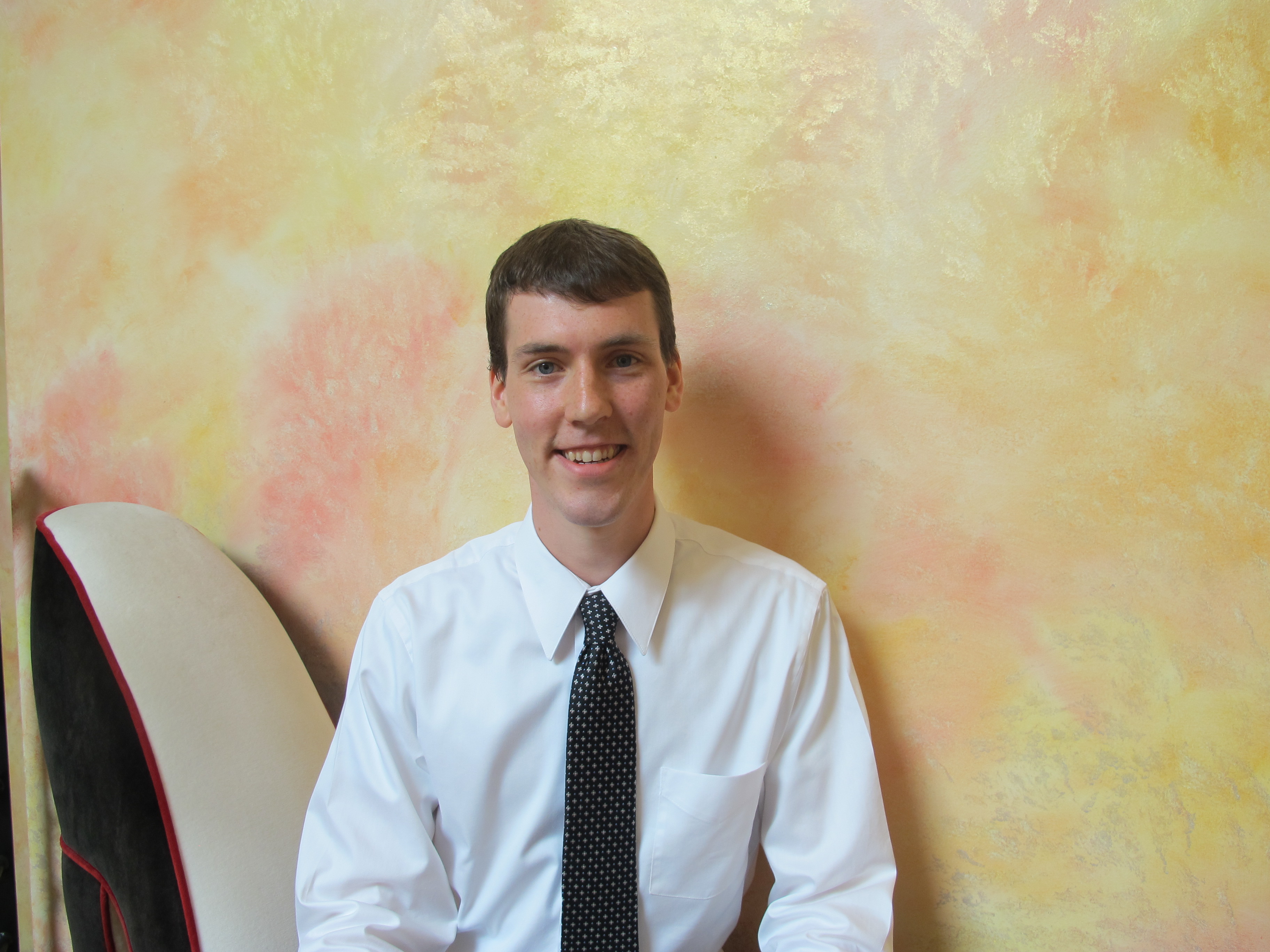
Sean Delehanty headshotSean Delehanty is currently an MBA candidate at the Simon School of Business, University of Rochester, Class of 2016; as well as a digital marketing intern with Carestream Health. He graduated from the University of Rochester in 2013, and has worked as a public relations intern at the Golisano Children’s Hospital and Dixon Schwabl Advertising. Sean is a Rochester, NY native and a proud member of the Rochester chapter of the PRSA.  

Back to School?: 5 tips to surviving graduate school as a working professional

As the use of social media and web-based PR tactics grows, current public relations professionals may consider earning a master’s degree to keep up with current trends. Working a full-time job and managing a home life can be challenging enough, so is it possible to add graduate school onto your plate and survive? It is. Here are a few tips to make the process more manageable:

1. Do your research.

Not all graduate programs are created equal. For the working student, a distance learning program might make the most sense. But even some online programs require a visit to campus once a semester. Be sure to research admission requirements and curriculum to determine where you’ll be most successful, and reach out to enrollment counselors with any questions. Thebestcolleges.org recently put out a list of the seven best online PR graduate programs. It might be a good place to start your search.

2. Build a support system (and use it).

Doing school assignments during the work day usually isn’t an option, so be prepared for your home life to get a little hectic. If you’re having trouble balancing your school work and home responsibilities, don’t be afraid to accept help. If a neighbor offers to drive your kids to soccer practice, take him up on it. Your support system should also include your instructors. They are there to guide you, and they want you to succeed. If you’re struggling with something, reach out and ask for assistance.

3. Set a routine.

Most graduate programs that cater to working professionals have developed their course schedules to give students a fair amount of flexibility. During your first course, get a feel for the format, schedule, and pace, and then set a routine for yourself. For example, do reading assignments on Monday, Tuesday, and Wednesday, and then work on any corresponding writing assignment during the rest of the week. Sticking to a routine will keep you from falling behind in your work load and having to fit a cram session into your already busy schedule.

4. Don’t forget to take some personal time.

If you work full time and have kids, you already have little time to yourself. Add graduate school into the mix and your “free” time is now non-existent. But it is still important to carve out some personal time, even if it is ten minutes a day to walk around the block and decompress. If your stress levels get out of hand, you’re likely to want to throw in the towel. It is much easier to take the occasional time out than it is to melt down and quit.

5. Cut yourself some slack.

You’ll be devoting roughly two years to earning your graduate degree, and you may have to bump some things down your list of priorities. If you don’t have time to make your signature hand-crafted cards this year, Christmas will still be just fine. If you’re ordering pizza rather than cooking a little more frequently, at least dinner makes it on the table. Don’t beat yourself up about taking some shortcuts at home in order to fit graduate school into your life. It’s easy to compare yourself to others, but what you’re doing is far more impressive than building outdoor furniture from wooden pallets.

It won’t be easy, but earning your master’s degree is an impressive accomplishment. In the grand scheme of things, the amount of time you’ll have to deal with a crazy, stressful life is short, but the accolade of having your graduate degree will last forever. In the end, the feeling of accomplishment and the relationships with instructors and peers will make it worth the effort.

Are you considering a graduate degree? Have you completed one while working?

Materkoski HeadshotJennifer Materkoski is a graduate of Kent State University with a Master of Arts in Journalism and Mass Communications with a specialization in Public Relations. She has worked as a writer and editor for both newspaper and television and as a member of a non-profit marketing and development team. Materkoski recently opened her own boutique public relations firm, Songbird Public Relations. Materkoski resides in Wheeling, West Virginia with her husband and son. You can find her on LinkedIn or follow her on Twitter @MrsMaterkoski. She can be reached via email at jen@songbirdpublicrelations.com.

August Twitter Chat Highlights: Preparing for Your Next Career Move

We’d like to thank everyone who participated in the August #NPPRSA Twitter chat focused on how PR professionals can prepare for the next shift in their career. We discussed how to lay the ground work for career growth, considering both internal promotions and jobs at new companies.

PRSA Twitter ChatSpecifically, we’d like to thank our special guest for the evening, Ron Culp, Instructor and Professional Director of the Graduate Public Relations & Advertising Program at DePaul University. Ron also manages the industry leading blog Culpwrit for new professionals establishing a career in PR.

Join us again on September 4 for our next #NPPRSA chat.

Stay up-to-date with PRSA New Professionals on Facebook, Twitter, LinkedIn and Google+.

Review highlights of the chat below. What did you learn from the August chat? How can you prepare for your next career move? What can you do to broaden your experiences in your current position to be considered for a promotion? What should a PR pro do if they don’t see a future for career growth within their company? 


Amy BishopAmy Bishop works in digital PR and marketing for DigitalRelevance, a content promotion agency. She is also Social Media Co-Chair for the PRSA New Professionals Section. Read her insights on customer experience and social business on her Marketing Strategy blog. Connect with Amy through Twitter, Pinterest or Google+.


So You Want to Start a PR Career in Government…

There are many perceptions about government in Washington D.C. – political campaigns or press conferences with a mayor or congressman. Yes, there is some of that, but there is much more. Let’s explore how government public relations works and some things I’ve learned over the years.

A-New

What is it like?

There are many opportunities in government. Think of the city you live in and the news. Every day you see stories about police, fire, public meetings, road closures, housing, rezoning and much more. In fact, government seems to make up a lot of the news and media relations is a part of the job. There are other tasks like websites, graphic designs, safety campaigns, community engagement, social media, employee communications and many more = similar to working in-house for a business. Depending on where you live you might work in a communications department that represents the whole city or you may work strictly for a department such as transit, fire, utilities or police. There are also county systems, state departments and federal departments.

What I’ve learned…

Everything is public information. Any time you send an email, write a news release or post on Twitter for your job, it’s public information. In fact when you look for a job, the public relations positions are usually classified as public information officers. In government, anyone can request information and you will have to provide information if it is available. So you need to save a lot of things and be proactive in pushing out information that is useful to the public.

Good writing skills and strategic thinking are essential. Like other PR jobs, good writing skills will go a long way. You still need to be able to write a press release and other content. Likewise, you will be involved in big projects that require research, identifying stakeholders and target audiences, creating goals and objectives, selecting tactics and measuring your success.

Try to be as proactive as you can, but sometimes you have to be reactive. A lot of times things beyond your control will happen fast and the media may come to you before you know about it such as a sinkhole forming on a heavily traveled road during evening rush hour. It may take some time to get your information together, but you learn to give what information you have at that time.  Remember that government is often a resource of information and a lot of times media will come to you first. It might seem like it is reactive, but you might already have a plan of what to say for different issues

When it comes to budget, think nonprofit. There is some money allotted to communications, but it is usually limited. Government works for the public and needs to be selective in where money goes. This goes back to why strategic planning is important. You can still be creative and create campaigns when needed, but it is usually on a tight budget.

Be patient. Sometimes priorities change or the budget is cut and your project is put on hold. Also, some pieces of information may need to be reviewed by many people before you can finalize it. Things will get done, but it may take longer than you expected.

You can really be proud of your work and make a difference. At our organization, we say “Public service is our business.” You will be involved in a lot of large projects. You’ll get to be engaged with your community and help bring projects together. I’ve worked behind the scenes during snow storms and realize how important it is to get the right information to the right people at the right time. I can walk down the street and see something I was a part of and it gives me a sense of pride. I’ve also met some of the hardest working people in government.

Government public relations is a great place to start your career. It’s similar to other fields and you’ll be able to use a lot of your skills. It’s challenging and rewarding. There are many options of where to work; you just have to find them.


Screen Shot 2014-06-30 at 2.33.03 PMNicole Ramsey works as a Strategic Communications Manager for the City of Charlotte’s Corporate Communications and Marketing department in Charlotte, NC. She also is a member of the PRSA Charlotte’s New Professionals board. Nicole graduated with a M.A. in Communication Studies from the University of North Carolina at Charlotte and a B.A. in Communications from the University of Louisville.

Five Media Relations Tips for New Professionals

Media-relationsWorking with the media is a huge part of any PR career.

It takes some time to build relationships with reporters and producers, and new professionals may feel intimidated at first. I recently worked on a PR campaign to launch a new retail store in Dallas and had the chance to sharpen my media relations skills.

Based on my experience, here are five tips that can help new professionals work effectively with the media.

Do your research before pitching

Before you contact any reporter, browse their latest stories. Do their stories fit your pitch? If so, customize your email to fit the reporter’s needs, or your message may be ignored. Many reporters and producers receive hundreds of pitches each day, so remember to draft a short email that’s meaningful to them.

Become a resource for the media

Acting as a resource for the media is essential in building new relationships. Feed journalists your clients’ news in a bite-sized yet impactful way. Members of the media want to read news that’s easy to digest. You know you’ve done your job when they come to you looking for more news and additional help!

Offer an exclusive story

If getting into a particular publication is important to your client and in their best interests, offer the writer of the publication an exclusive story. By giving the publication first dibs on the news, it may result in a placement with a unique angle.

Remember to follow up

Sending a follow-up message to the media is a common practice in the PR industry. To follow up effectively, send a brief email and give the journalist a call. If they pick up, keep the conversation very short. Reporters are busy and don’t always have time for small talk. What helps me is having a few notes in front of me as I’m on the phone. Take a deep breath, cut to the chase and don’t forget to smile!

Thank the reporter for his or her coverage

A simple thank you goes a long way and helps strengthen your bond with journalists. If you secure a new media placement, send an email or thank-you card to acknowledge the journalist’s work.

headshot_nelliNelli Tokleh is an assistant account executive at Nunez PR Group in Dallas. She received her undergraduate degree in public relations from the University of North Texas and her Master’s in Business Administration from Texas Woman’s University. Nelli is an active board member at PRSA Dallas and enjoys traveling, shopping and blogging about fashion and food. Connect with her on Twitter.