
 Psychology is a broad major that applies to many of the industries, but for some reason people only associate becoming a psychologist or psychiatrist as appropriate career paths for psychology majors. Most don’t even consider the possibility of working in the public relations industry, and some might insinuate that since you didn’t major in communication or journalism you are somehow incapable of working in the communications field. The reality is, psychology makes up majority of the theories behind public relations, social media, and marketing, becoming very much entwined within the industry itself. Why wouldn’t it? The study of human behavior is directly involved whether you are planning a campaign for behavior change, trying to manage a company’s image after a crisis, or persuading consumers toward a new idea.
You might be a new grad who majored in a social science, but now you’re interested in public relations. Or maybe you’re a young professional and after spending a few years in a different industry want to switch career paths. You are probably wondering, “How do my skills fit into the world of public relations?” Fear not, coming from a psychology and science background provides many transferrable skills that will help you succeed and can make you an attractive candidate to employers. Psychology actually equips you with many of the desirable traits for the public relations and marketing industry, especially with the new focus on social media in today’s society.
Research – Psychology and other sciences that are research-intensive, require you to be skilled at researching and analyzing information and data. You have experience not only with conducting primary and secondary research, but also in knowing how to critically evaluate the data and draw appropriate conclusions. Sure, there is an abundance of information available but you have to know how to evaluate the findings and whether it actually provides support for your objectives. There are a number of findings that support certain claims, but they will not help your client’s communications campaign if it’s based off of faulty logic or inadequate study design.
Writing – Psychology courses will not provide you with much experience drafting press releases or practicing AP style, but you certainly gain sufficient experience with writing. Whether it’s by writing research papers, article critiques, or lab reports, you certainly leave college having acquired numerous hours perfecting your writing ability. Now, it’s just applying your writing talent into a new format.
Social Psychology – Persuasion, behavior change, group behavior, and attitude formation are main concepts covered in social psychology, but they are also the basic concepts for planning a public relations campaign. Understanding the background of your key publics and why they hold their opinions, beliefs, and attitudes, is the first step in your plan. Knowledge of the principles behind attitude formation and group behavior is essential when planning and deciding what strategies and tactics will relate and be the most successful for your campaign’s messages and goals.
Social Media: Knowledge and understanding of how people’s behavior is affected through the use of online environments is extremely useful when planning social media campaigns. It’s not just about understanding how to use the technology, but deciding how to use these social networks to enhance your brand and increase interaction with your followers. What factors of the online environment change the way people interact, behave, and make decisions? Understanding these differences will help your company or brand when engaging followers. Interpreting how the different channels (Facebook vs. Twitter) affect behavior also becomes beneficial. Certain messages or tactics will have better reception and response on one channel versus the other for the simple fact of how people interact with it. It might seem like common sense but behavior can become much more complex and unpredictable through the online environment.
Recent grads, what were some of your favorite psychology courses in college? Current professionals, how do you find psychology applied in your job today?
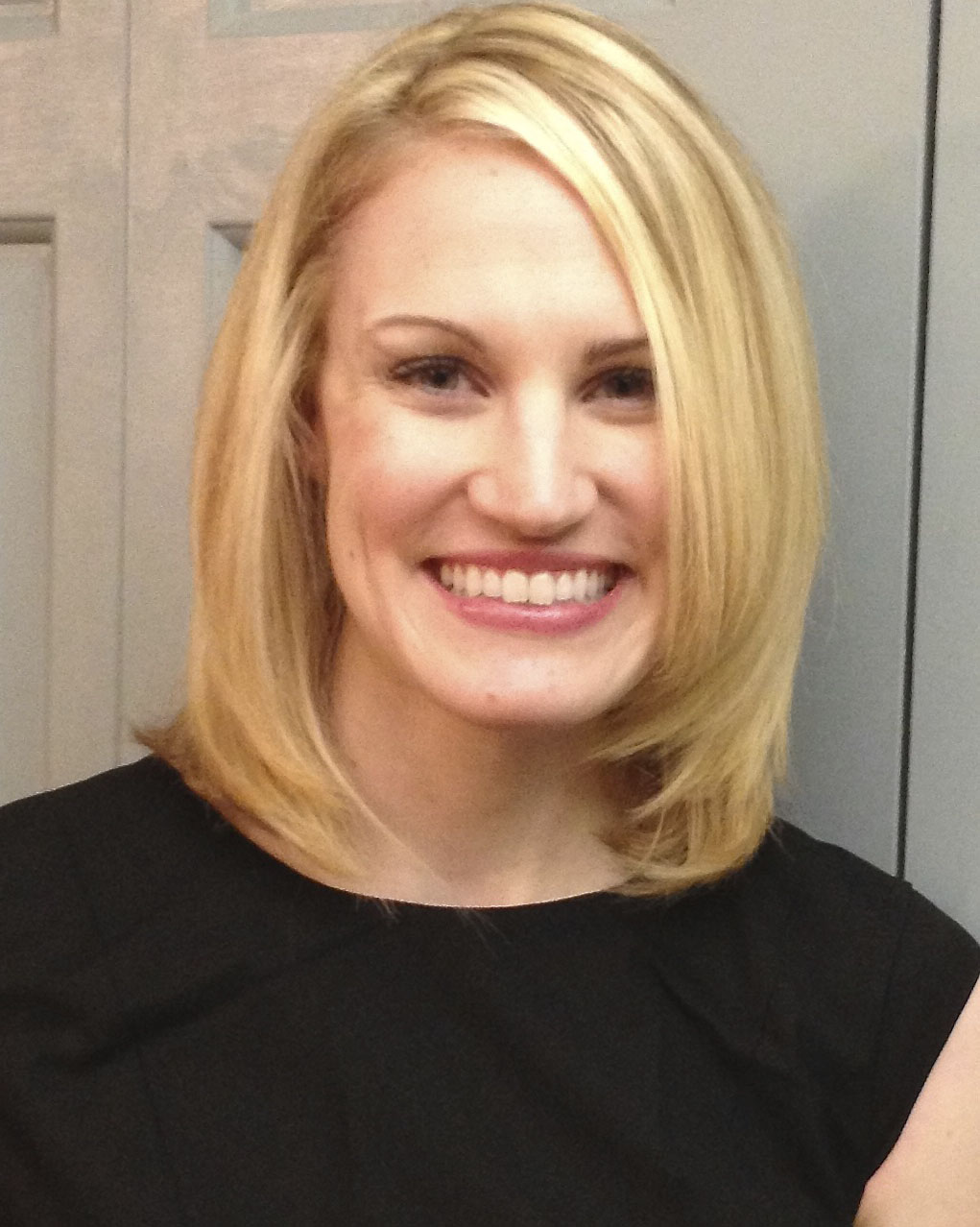 Lauren Shank does freelance public relations and marketing, specializing in social media. She graduated from Virginia Tech with a Bachelor of Science in Psychology and is a member of PRSA – National Capital Chapter. Connect with her on Twitter (@LaurenEShank).

 Well, after reading “
 Stephanie Vermillion is a senior account executive at Wordsworth Communications, a