APR-il is accreditation month for PR professionals. (APR-il – see what we did there?) This year also marks the 50th anniversary of the certification!
 Although the APR has existed since the Lyndon B. Johnson administration in the 1960’s, many professionals don’t know what it is, how to obtain it or the value it can add to their career. You’re eligible to apply after you’ve worked in the field for five years (suggested), but here are our top eight reasons why you should think about getting your APR as soon as you cross that stage at graduation.
1. People know right off the bat that you’re legit. The profession is getting crowded – and not always by the best and brightest. For every credible, knowledgeable and ethical PR pro, there’s a “flack” out there giving us all a bad name. Investing in the credential shows that you know your stuff and that you aren’t a spin artist.
2. You won’t be an “everyman” PR professional. According to the US Department of Labor, the PR Specialist position is expected to grow 12% by 2022. That means more competition in job interviews. Those three little letters behind your name can help move your resume up to the top of the “yes” pile.
3. It signifies you’re a lifelong learner. In a field that is constantly changing, even drastically in the last five years, employers appreciate employees who are always learning.
4. It’ll prep you for any job interview. The APR process is two-fold. The first is a readiness review in front of a panel of three accredited professionals, and the second is a computerized examination. At the readiness review, described by our local APR chair as the “most intense job interview of your life,” you’ll showcase your portfolio and a specific campaign you worked on. You thoroughly present the campaign’s objective, strategy, tactics, measurement and evaluation process and results. If you can get through that, you’ll breeze through any job interview.
5. Bragging rights. Going through the process internally validates what you know about PR and boosts your confidence, while externally it sets you apart from your colleagues and shows your commitment and wide knowledge of the field.
6. Once you earn your APR, it’s yours to maintain. Once you earn your accreditation, you won’t have to redo the readiness review or retake the test. You can maintain your APR status by participating in professional development activities like serving with your local or national PRSA Chapter, speaking at conferences or mentoring young professionals. Activities are due to the Universal Accreditation Board every three years.
7. It doesn’t have to be pricy… The application fee is $25, and the examination fee is $385. However, scholarships are available specifically for the APR through many local PRSA Chapters and regional district Chapters. PRSA also offers a rebate. Many employers will also fund your certification fees because it adds value to you, which will help the company in the long run.
8. …and you don’t have to go through it alone. There is a plethora of help available to ensure you successfully obtain your APR. PRSA has several webinars to help you with the process, and many are FREE with your membership to PRSA! Also, tap into your resources locally – more likely than not, APRs in your PRSA Chapter are willing to mentor you and give insight, tips and help with the process.
As we mentioned before, the profession is constantly changing. One thing remains the same: The APR is the only recognized certification for public relations professionals. Those three little letters behind your name can make a huge impact on your career!
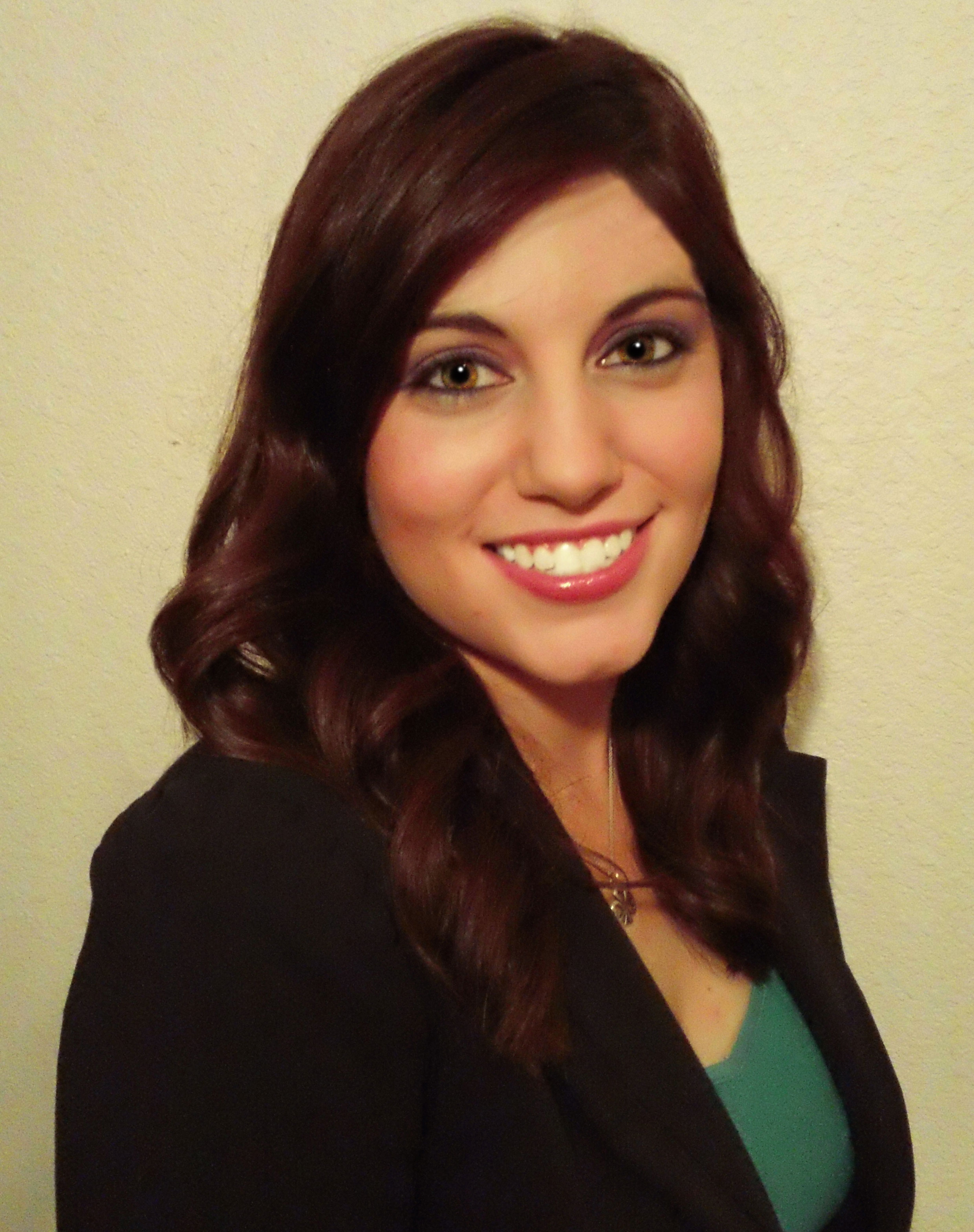
 Brianna Jackson is the Communications Coordinator at The Concilio, a Dallas-area nonprofit. She leads the nonprofit’s media relations, internal and external communications and social media management. She serves as the co-chair of Dallas NuPros, a section of PRSA Dallas for new professionals within the first five years of their career. Tweet her at @briannasjackson.
 Brooke Traister is an account supervisor at Tucker & Associates, a Dallas-based national public relations firm specializing in travel and tourism. With five years of experience working with consumer, B2B and nonprofit clients, Brooke leads several of the agency’s account teams, spearheads social media initiatives and manages Tucker’s intern program. She also serves on the NuPros committee for PRSA Dallas. Tweet her at @brookereport.

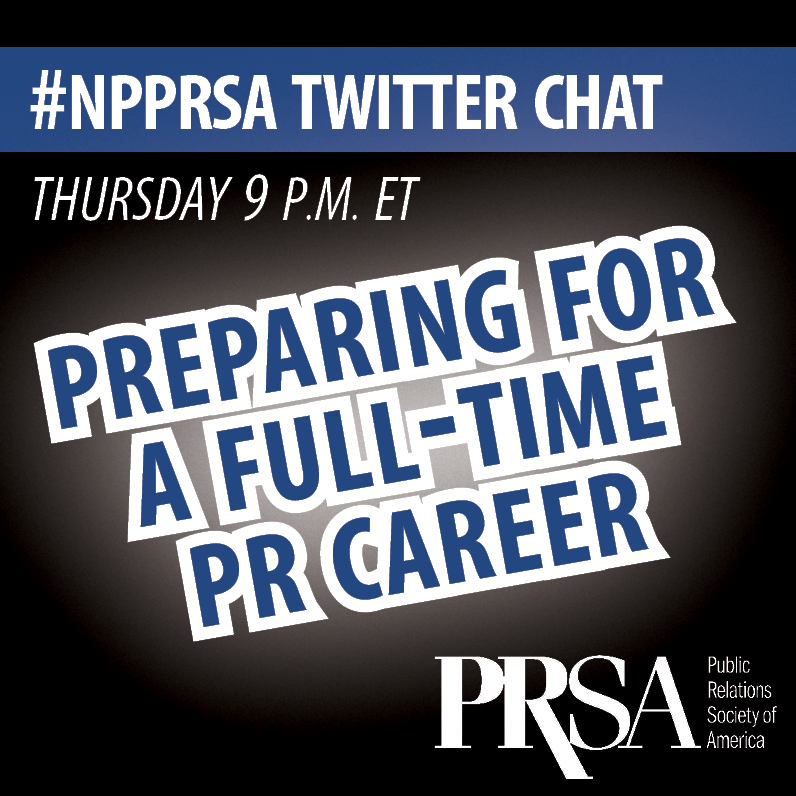 One event is our Twitter Chat on May 15 at 9 p.m. EST with
 Diane Gaillard is an International PR Consultant with experience in the financial, real estate, hospitality and B2B sectors after having worked in London and Paris. She develops cross-cultural communication campaigns and raises the profile of international companies and startups in Europe, the Middle East, Asia and the U.S. To learn more about Diane, visit her website at