Three Ways to Let Analytics Guide Your Social Strategy

DAY SPAEvery PR pro knows a good online strategy is nothing without great content to back it up. Social media should not be overlooked when it comes to strategic planning. As more and more organizations incorporate social media into their overall PR strategy, it becomes increasingly important to create content that sets them apart from competitors and builds trust with audiences. There are so many great tools available (for free!) that can help guide social content to maximize its benefit.

Here are a few ways to use them:

1. Find the Right Time to Post. Timing is everything. The great thing about social media is its instantaneous nature, so messages can get out to audiences in seconds. But is it really necessary and/or beneficial to deliver every message in real-time? Social media users can be connected to hundreds of other users or organizations, and every post is competing for attention. Most PR pros work typical 9-5 hours, so it might seem like it makes sense to post a link to a new blog on Facebook during your work day. But if those who follow a brand on Facebook aren’t online during that time, the post becomes buried among a hundred others.

Tools like Facebook Insights allow organizations to see the demographics of their Facebook followers. One of the most valuable pieces of information is a daily timeline that shows follower activity peaks. Insights is completely free to business/organization pages on Facebook, and it can help pinpoint the best time to schedule posts. It may turn out that time is at 7:00 p.m. on a Friday evening. There are plenty of tools available to schedule posts automatically so the prime posting window isn’t missed because it is outside of traditional work hours.

2. Figure Out What Content Works. It can be easy for a social media strategy to place too much focus on building an audience. Social media is a tool to engage in conversations with an audience. If the audience isn’t responding, something isn’t working. A large fan base does not equal a successful social media strategy.

“While the number of page likes or Twitter followers seems like an obvious metric to track, it is important to measure reach and engagement as well,” said Katie Hinerman, Freelance Digital Marketing Specialist.

Twitter Analytics is a new tool available for organizations to measure the engagement of their Twitter content. The dashboard shows overall impressions (how many times a tweet was viewed), engagement (how many users interacted with a tweet) and engagement rate (ratio of tweets to interactions). A good social media strategy should include a plan for increasing engagement rate across all social platforms.

“Social media marketing as we know it is changing,” added Hinerman. “In 2015, brands are going to have a harder time reaching users organically. This is why it will be especially important to track reach and engagement metrics when measuring your efforts.”

3. Measure Your Success. A strategy can’t be created without goals, and goals can’t be deemed successful unless they’re measurable (Click to tweet!). A social media strategy is no different than any other part of an organizations’ overall communications plan. Once SMART goals are set, they should be measured and tracked for progress. Lack of progress toward a goal could mean efforts need adjusted.

Google Analytics includes statistics on web traffic referrals from social media accounts. If increased web traffic is part of a social media goal, this tool is the best way to measure progress. The results are offered in real-time, and a variety of time frames can be analyzed and compared. Google Analytics is free to use and offers several tutorial videos to coach beginners through the analytics process.

In a world where PR pros are already stretched thin and wearing many hats, strategizing and measuring social media efforts can keep everyone on the right track. Using analytics to guide social media strategy is a great way to make sure that too much or too little work isn’t being done. Knowing what content is most engaging and when audiences are looking for it maximizes the impact with audiences and minimizes the drain on staff. And that keeps everyone happy.
Jennifer MaterkoskiJennifer Materkoski is a graduate of Kent State University with a Master of Arts in Journalism and Mass Communications with a specialization in Public Relations. She has worked as a writer and editor for both newspaper and television and as a member of a non-profit marketing and development team. Materkoski is the owner and principal consultant of a boutique public relations firm, Songbird Public Relations. She is an avid sports fan and a yogi. Materkoski resides in Wheeling, West Virginia with her husband and son. Find her on LinkedIn or follow her on Twitter @MrsMaterkoski. She can be reached via email at jen@songbirdpublicrelations.com.
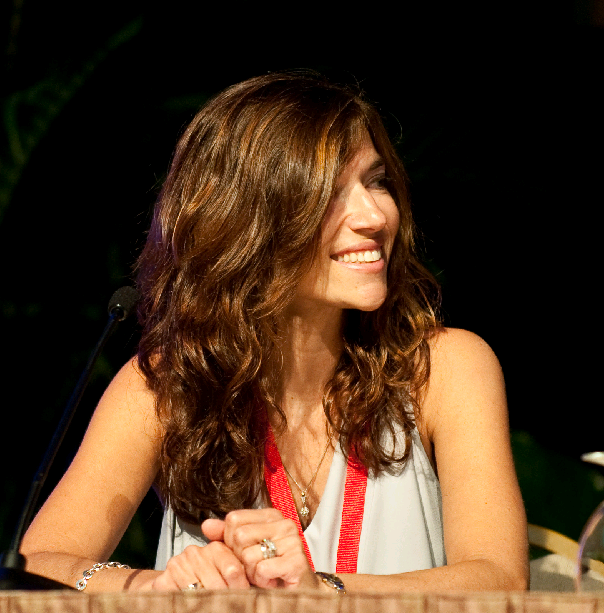
#ThrowbackThursday with Deirdre Breakenridge

Editor’s note: This is the first post in our monthly #ThrowbackThursday series, which features a prominent, successful PR pro taking a look back and sharing tips from his/her days as a new pro. Thanks to Deirdre for helping us kick this off!

For those who don’t know her, Deirdre Breakenridge is the chief executive officer at Pure Performance Communications. But, like most successful PR pros, that’s only the beginning of her portfolio.

Deirdre K. Breakenridge is Chief Executive Officer at Pure Performance CommunicationsShe’s the author of five Financial Times books, including her latest “Social Media and Public Relations: Eight New Practices for the PR Professional,” an adjunct professor at New York University, a member of PRSA (woohoo!), and co-founder of #PRStudChat, a dynamic Twitter discussion scheduled monthly for PR students, educators and PR pros.

Honestly, we could fill this post with all of her work and achievements, but we know what you’re all here for: Deirdre’s life lessons! So, without further ado, let’s dive in.

Question 1: What were three of the biggest challenges you faced as a new professional in the PR industry and how did you overcome them?

  1. Thinking you’re prepared when you’re not. No matter how junior the team member, you must come into a meeting fully prepared. However, this goes far beyond having a pad and pen to take notes. Being prepared involves challenging yourself to think about and answer the questions that a supervisor / boss may ask you during the meeting. Still to this day, I coach professionals to think ahead. And, if they are in a meeting with executives it’s important to identify what they would ask, or need long before the meeting begins.
  2. Rejection from the media. Rejection is a part of public relations, especially when it comes to media pitches. Even in the face of rejection, you must continue to perfect your pitching efforts by spending more time doing homework about the journalists / bloggers you’re pitching, and the communities they serve. Relationships develop over time, so if you are persistent and consistently offer good information, then you are more likely to land a really good story and be recognized as a reliable source.
  3. Networking more often at association meeting and special events. Not everyone is a natural born networker and making good connections requires you to get out there to meet people. When you’re a young professional it can be difficult to walk into a room not knowing anyone and strike up a conversation. However, the more opportunities you take to network, the more you realize that people are at these events for the very same reason. What is the worst that can happen? Perhaps, you introduce yourself and shake hands. Then, you exchange business cards and move on to meet someone else. However, there will be those instances when you meet someone and there is a great connection. What may come out of a simple introduction can be a number of opportunities. I learned early on that not every person you meet will lead to a next step connection, but you will never know unless you try.

Question 2: What type of time management tools did you use to stay on track as a new professional? 

In the past, time management for me was a big black planning book that I carried everywhere and a large calendar sheet on my desk that was marked up daily. Then, about 10 years into my PR career, time management software was integrated into our agency, and we no longer had to fill out manual time sheets. I think I just dated myself!

However, what I would recommend to young professionals today are several apps to make them more organized. I’m a big fan of Evernote, which is the note taking software that allows me to capture notes, ideas and images, and then syncs on all of my devices. I also use Circa, which is a news app that curates the important news headlines. There is a scanner app that I find very helpful. It allows me to scan documents into PDF form and then share them. Of course, my Google calendar keeps me organized and on track, with alerts so I can properly prepare for my meetings. Lastly, Spreeder is free online speed-reading software designed to improve not only your reading speed but also your comprehension.

There are many great apps and tools. This article from Lifehack has several really good time saving resources that you can check out here.

Question 3: What were some of your most important career goals as a new professional? 

Building relationships was at the top of the list. It is your network of connections that will allow you to excel in business and to help others (Click to tweet!). There is so much that goes into relationship building, but it all starts with getting to know people, learning more about them and listening, rather than immediately sharing information about yourself. To be known as someone who is connected, or that you’re a great connector, is very valuable, and often sought out by companies large and small.

Focusing on your integrity as you pursue new opportunities. There will be times that your values and integrity may be challenged, and you will have to make an important decision. Always choose the ethical side of the situation and your integrity will remain in tact for the duration of your career. If you need a refresher on ethics, you can check out the PRSA Code of Ethics.  At the end of the day, you have to be sure that your communication is transparent and in the best interest of all parties involved. Always let your values and ethical standards guide you.

Perfecting your writing skills. If you’re in PR today, then writing for all different types of media is important. We have moved from earned media to owned, paid and shared. Companies are looking for professionals who are not only able to write byline articles, editorial opinion pieces and news releases, but also blog posts, video scripts, tweets and Facebook updates, ebooks, etc. Perfecting your writing skills takes a lot of practice and also requires you to read in your spare time. The more you read the better your writing will become. I’ve been writing for 25+ years. Practice makes perfect, and for me, led to some incredible writing opportunities, including several books published by Financial Times Press.

Question 4: How can today’s new professionals find time to focus on personal career goals without getting sidetracked by work?

Careers can get very busy and you will always find yourself sidetracked. You have to make a date with yourself to find time to focus on your personal goals.  If you’re a morning person then you should set aside the time then, or if you like to stay up late at night, then this may be your best time plan out the steps to reach your personal career goals.  You should also incorporate regular telephone, Skype and in-person meetings into you weekly routine, so that you can meet people, get different perspectives and learn about new career directions. In addition, finding a mentor will help you to grow in your career and to have a seasoned professional guide you as you strive to reach your personal career goals.

Question 5: If you could go back in time and give advice to yourself during your first year on the job, what would you say?

My first year of work was an incredible experience, so I’m not sure what I would have changed or where I would have given myself advice. But, I do remember my second job, wishing I had given myself some advice early on.

I was doing PR for a cosmetology school that was affiliated with a popular hair and skin care company. I remember, within my first couple of weeks of working there, I was asked to model for one of their hair fashion shows. It was an honor and then quite a shock when I was on stage and they cut my hair above my ears and colored it bright red. After the show, I had to keep my hair short and colored. They also gave me a lot of makeup that I was supposed to wear as a representative of their company and advised me on my wardrobe. But, It just wasn’t me.

Although I had fun and stayed with the company for a few years, I eventually realized that I wasn’t being true to myself. Almost like a “Devil Wears Prada” movie scenario. After I left, I grew out my hair, went back to my natural color and found my own style of fashion.  If I could go back in time, I would say to myself, “Be true to who you are from the work that you do to how you present yourself (including your appearance) in any role that you play.

If you can learn this early on you’ll be a lot happier!

To learn more about Deirdre, visit deirdrebreakenridge.com or follow her on Twitter at @dbreakenridge

Five PR Tips From Taylor Swift

Five PR tips from Taylor Swift

Image from Canva.com

A pop princess may be the last person you’d expect to look up to as a public relations professional, but Taylor Swift is definitely doing something right. Between buzzing up constant media attention, building a loyal fan base, and staying true to her strengths, there’s a lot we can learn from Taylor about being a successful communicator.

She knows her brand. Crossing over to full-fledged pop could have spelled career disaster, but Taylor stayed true to herself by making the switch.

Be like Taylor: Spend time learning the voice of each of your clients and you’ll be able to decide the best ways and places to tell their stories.

She’s a conversationalist. Taylor has crazy follower counts across the board, but she’s not just broadcasting on social. She’s truly interacting with her fans! With so many people talking, it’s hard to actually hear anything these days.

Be like Taylor: Running a brand’s social media? Pull a page from Taylor’s playbook and reply to fans posts, seek out conversations via hashtag searches, and be proactive in your interactions. Use your personal Twitter to build relationships with media. In other words, be social! (Click to Tweet)

She offers the exclusive. Before her latest album dropped last fall, Taylor held secret listening parties across the world with 89 of her biggest fans at each event. Fans were invited to get a first listen to 1989 in Taylor’s very own homes. Hearing the album ahead of time didn’t dull the excitement around the release: these select fans were even more thrilled to see her music finally debut weeks later.

Be like Taylor:  Have a great story brewing? Reach out to one of those contacts you’ve built a relationship with and offer it as an exclusive. Between the 24-hour news cycle and a saturated media market, breaking a story has become just as rare as a Taylor Swift listening party. Working together on an exclusive can benefit both you and your contact. You’ll secure a great coverage hit while your contact gets to lead the media frenzy.

She knows what’s trending and how it aligns with her brand. She uses news angles to her advantage to ensure she’s being talked about. When Tumblr went crazy over the Becky meme, Taylor was spotted the very next week in a “no it’s becky” tee.

Be like Taylor: Consume a variety of media every day so you know what’s hot and how you can be a part of the story.

She shakes it off. At the end of the day, not every relationship, song lyric, or pitch is going to work. Taylor doesn’t stress about the things that don’t fit – she’s able to kick back and poke fun at herself for every faux pas.

Be like Taylor: Take what you learn from every experience and use it to be better the very next day.

We all know Taylor’s talents are countless! What other PR lessons have you learned from Taylor Swift? Share below!

 IMG_0011.JPGChristine Perez is an Account Executive at The S3 Agency, a boutique advertising, social media, and public relations agency in Northern New Jersey. She has a wide array of experience with CPG products on both the agency and client sides. In her free time, she volunteers with a local animal rescue as a communication strategist and pet foster. Tweet with her @ICtine or connect with her on LinkedIn.


Changing Jobs: Life On The Competitive Horse Show Circuit and My Need For Normalcy

Shortly after graduating from college with a degree in public relations, I was at the beach with my parents and revealed to them I wasn’t sure if I actually wanted to pursue a career that related to my degree. Thanks to a less than enlightening experience meeting with a PR executive and an internship that made me intimately familiar with the walls of my cubicle and not much else, I became a bit disenchanted with the field. So while I figured out what to do, I went back to work in my home away from home – the barn.

FTI Consulting Winter Equestrian Festival

“My office view for four months each year. Ringside at the FTI Consulting Winter Equestrian Festival.” Photo by Laura Cardon.

I’d ridden horses since childhood and had worked in the barn at least part-time since obtaining my first work permit in high school. Horses have been my passion and a huge part of my life, so when I was looking for work again a few months later, I thought, “Maybe I’ll reconsider working in PR.” A company I had followed closely for years posted on their Facebook page that they were looking for an intern for one of the most prestigious equestrian competitions in the world – The FTI Consulting Winter Equestrian Festival.

I still vividly remember reading the email that asked me to pack my bags and leave for Florida. I couldn’t have been more thrilled; the internship seemed like the perfect opportunity for me to continue working in an industry I loved, and I dove in head first. In a matter of days, I was headed south for the winter.

My internship turned into a part-time job, which turned into a full-time job that allowed me to meet some of the sport’s greatest athletes and work behind the scenes of the country’s most renowned competitions. My incredibly generous boss recommended me to her network of well-known equestrian journalist colleagues, and within a year of starting with her, my articles were published in multiple magazines. I even got the opportunity to be a freelance writer for the most prominent and respected publication in the industry.

I learned and experienced more than I could ever put into words during the last 18 months, but for all the incredible opportunities I was afforded, there was something eating at me. A need for normalcy. This job, on the outside, was very glamorous, but once you look closer, it also requires substantial sacrifice.

The horse show circuit follows good weather, and I spent my time traveling up and down the East Coast to various venues. I spent nearly four months of my year in Wellington, a small town in Florida that revolves around a horse show, far away from my friends and family. When I wasn’t in Florida, I was traveling elsewhere for a week or a month at a time.

I had just moved to Denver, and I realized I was barely able to enjoy actually living there. I have a wonderful boyfriend that I wanted to spend time with, and as my busy fall travel schedule rapidly approached, I made the decision to start looking elsewhere. I wanted an office…or even a cubicle! I wanted a place to work from in an actual building (not a tent, or a single-wide trailer) that I didn’t have to pack up every night and take home with me in a backpack.

I wanted to actually be able to collaborate with my colleagues on a regular basis, instead of having to look forward to seeing them two times a year at a horse show. It was time to move on, so I started reflecting on what else I loved and if I could find something I was equally passionate about.

Thankfully, working in PR allowed me to cast a wide net. I could work for an agency or for an individual company, and I eventually decided on a non-profit dedicated to preserving Colorado’s great outdoors. In a few weeks, I’ll go into an office at the same time each morning, dressed in clothes that are not my pajamas (bad things happen to good people that work from home too much), and sit down at my computer that stays at the office each night when I leave.

As I tell more of my co-workers that I’ll be leaving the horse show life soon, they often ask me whether I’ll miss it – or assure me that I will. The experience I have gained from a career in the equestrian industry is irreplaceable – it is difficult to find a set of harder working people. I will miss some parts of my horse show life, but I’m even more excited to have my only horse show days be the ones I will be attending as a spectator or competitor. But for now, I just can’t wait to start decorating my desk.


Laura CardonLaura Cardon is a public relations professional living in Denver, CO. Originally from Maryland, Laura enjoys riding horses, hiking, and volunteering at the Denver Animal Shelter. In her spare time, Laura also shares her passion for the great outdoors with fellow beginner outdoors enthusiasts on her blog, Outdoors Beginner


.

New Year, New Degree: The Road to Grad School

grad schoolWhen I graduated with my bachelor’s degree in May 2012, I couldn’t wait to be done with college. Passionate about starting my career and impatient to begin my new agency job, I was ready to leave behind tests, lectures and projects for the real world.

Exactly three years later, in May 2015, I’ll be in class again – this time, as a graduate student pursuing my master’s degree in integrated marketing communications.

Why grad school?

My decision to pursue a graduate degree was the direct result of a shift in my career path. After two years of working agency jobs – and an unexpected layoff after the loss of a client – I was unfulfilled, frustrated and ready for a change.

After much thought, I accepted a marketing position with a small liberal arts college where I focus on telling the stories of students, faculty and alumni who are doing amazing things. I assist in developing communications plans for community relations, development and alumni relations efforts. And I’m in an environment where education and the pursuit of lifelong learning are valued and respected.

Unlike the agency world, where experience is indispensable and graduate study isn’t a necessity, nearly all management and executive-level jobs in higher ed administration require an advanced degree. And, with more of their top communications officers reporting directly to college and university presidents than ever before, I’ve got my eye on the top spot and a plan to get there.

In addition, I hope to teach at the college level in the future – another position that nearly always requires at least a master’s degree.

For both of these reasons, grad school became a logical next step for me. But how do you know it’s right for you?

Is grad school the right move for me?

It’s a difficult decision to go back to school – one with personal, professional and financial implications. Before you sign up for a GRE prep class, here are some questions to ask yourself:

  • Will earning a graduate degree further my career? Think about where you’d like to be in your career five, 10 or even 15 years down the road. Search job postings based on those goals and look at the qualifications. Is a master’s degree preferred or required? Talk to your professional mentors and explore LinkedIn profiles. Understanding exactly where you want to be in the future will help shape your plan for how to get there.
  • What program fits my objectives? Part-time and online programs are flexible options for working professionals. MBA programs focus on business, while M.S. and M.A. programs can have professional and academic tracks. Since my bachelor’s degree is in public relations, I was looking for a graduate program that would complement my skill set while allowing me to focus on taking classes in areas where I was less versed. After narrowing down the choices, I reached out to alumni via LinkedIn and learned firsthand their experiences and how they were using their degrees.
  •  How much will it cost? Though grad school isn’t free, there are many ways to cover costs and make sure you’re not saddled with large debt in the process. Make sure to submit the FAFSA, which will help generate loan eligibility. Explore scholarships and fellowships. In addition, talk to your boss about going back to school. Many employers will look favorably upon an employee seeking education and may provide tuition assistance or reimbursement.
  • Does the timing make sense? It’ll take me a little more than two years to finish my degree taking classes part time while I continue to work full time. That’s quite a commitment. Will you be able to devote the time necessary to be successful? Each person’s situation is different; take a look at personal and professional obligations and be realistic about what you can take on.

With public relations and marketing professionals working in a variety of industries, each with their own set of requirements and qualifications, grad school may not be the right move for everyone. My best advice? Do your research. Ask the right questions. Create a plan. It will soon become clear if (and when) graduate school will fit. And, if you end up back in class in 2015, I’ll save you a seat!

Sarah LackSarah Lack is an alumna of Kent State University’s School of Journalism and Mass Communication. She works in the communications department at Notre Dame College in South Euclid, Ohio, and is the communications coordinator for Girls on the Run of Greater Summit, a nonprofit organization serving Northeast Ohio. Connect with her on LinkedIn and Twitter (@sarah_lack).