Intro to Travel and Tourism PR: Part One by Diane Centeno, APR

The U.S. Travel Association states that travel and tourism is a $759 billion industry responsible for one out of every nine jobs in the country.  PRSA offers a Travel and Tourism Section completely dedicated to PR professionals working in travel and hospitality organizations.  The industry offers an array of opportunities, from tourism offices to restaurants, cruise lines to airlines and PR agencies specializing in tourism communications.  With a projected decrease in the unemployment rate in the tourism industry in 2011, why not consider a PR career in travel and tourism?  This week, the PR New Pros blog is excited to look further into the world of travel and tourism through the eyes of two seasoned PR professionals—first a general portrayal of PR in travel and tourism with Diane Centeno, APR, the director of marketing for SeaWorld Parks and Entertainment, and then a deeper look into the role of the Convention and Visitor Bureau with Kelly Ryan, communications & tourism coordinator at the Albuquerque Convention and Visitors Bureau.  Start your summer off right with the first part of our “Intro to Travel and Tourism PR” series with Diane Centeno, APR!

Taking a line from Kenny Chesney’s song “Summertime” couldn’t be more appropriate this time of year.  “Summertime is finally here, that old ballpark, man, is back in gear.”   However, ballparks are not the only thing back in gear.  Summertime signals the peak of vacation travel for millions of individuals and families in the United States.  From transportation industries like airlines and rail travel, to hotels and resorts, amusement parks and beaches, the travel and tourism industry is back in gear, rebounding as the economic downturn finally starts to show signs of waning and consumer confidence returns.

In addition to rebounding growth, the U.S. Travel Association recently unveiled a plan to create 1.3 million jobs in the industry and add $859 billion to the U.S. economy by 2020 in an effort to solidify the appeal of the United States as a tourist destination for world travelers.  The time has never been better to explore a public relations career working in the travel and tourism industry.  It is an excellent professional path that offers opportunity, challenges and the excitement of working for and with world-class destinations and brands.

I have been employed in the travel and tourism industry for the past 11 years working for SeaWorld Parks & Entertainment.  While I started my career in healthcare marketing and public relations, which was an incredibly satisfying experience, when a job opportunity for SeaWorld opened, I could not resist the idea of working for a top-notch theme park that had an amazing brand to proactively promote and communicate to moms and families.  I have been able to build relationships with key broadcast, newsprint and magazine outlets across the United States, dive into social media strategies, work with global communication agencies to promote our brands in key markets like the United Kingdom, Brazil and South America, formed partnerships with area Convention & Visitors Bureaus in Virginia and Florida, traveled for competitive research (always fun to visit another tourist attraction in the name of work) and hosted thousands of media personnel at our parks.  While I have ridden roller coasters with reporters to show them our new attractions first hand, toured celebrities and publicized their visits to our parks and traveled with animals for in-studio TV appearances, I have also been able to develop expertise in the areas of public affairs and employee communications in my ever-expanding roles.

As a new public relations practitioner, you may be interested in what types of PR activities you would participate in while working for the travel and tourism industry.  You can expect to cover a range of marketing communications, crisis/public affairs communications and employee communications to provide you with a broad range of skills and scope of practice.  Promotion of your industry, destination and new products allows a practitioner to develop and diversify skills for integrated marketing communications through traditional media channels as well as consumer-centric social platforms.  Industry regulation, safety and legislative initiatives regarding travel allow the new public relations practitioner to become adept at proactive, and sometimes reactive, public affairs communications.  And with more than 7.3 million employed in the tourism sector in the United States, depending upon your role in the organization, you may also have employee communication opportunities that will help further diversify your capabilities as a strong, well-rounded practitioner.

 The travel and tourism industry has allowed me to expand my professional experiences, and I continue to be passionate about my career.  Maintaining membership in PRSA and becoming accredited have also allowed me to build networks that have helped me professionally, as well as create friendships personally.  PRSA membership allows new practitioners to network with seasoned professionals and uncover opportunities in all industries, including travel and tourism.  There are usually a number of internships, as well as entry-level positions available, especially at this time of year, to explore job opportunities and determine whether your career path will be one following the road of travel.

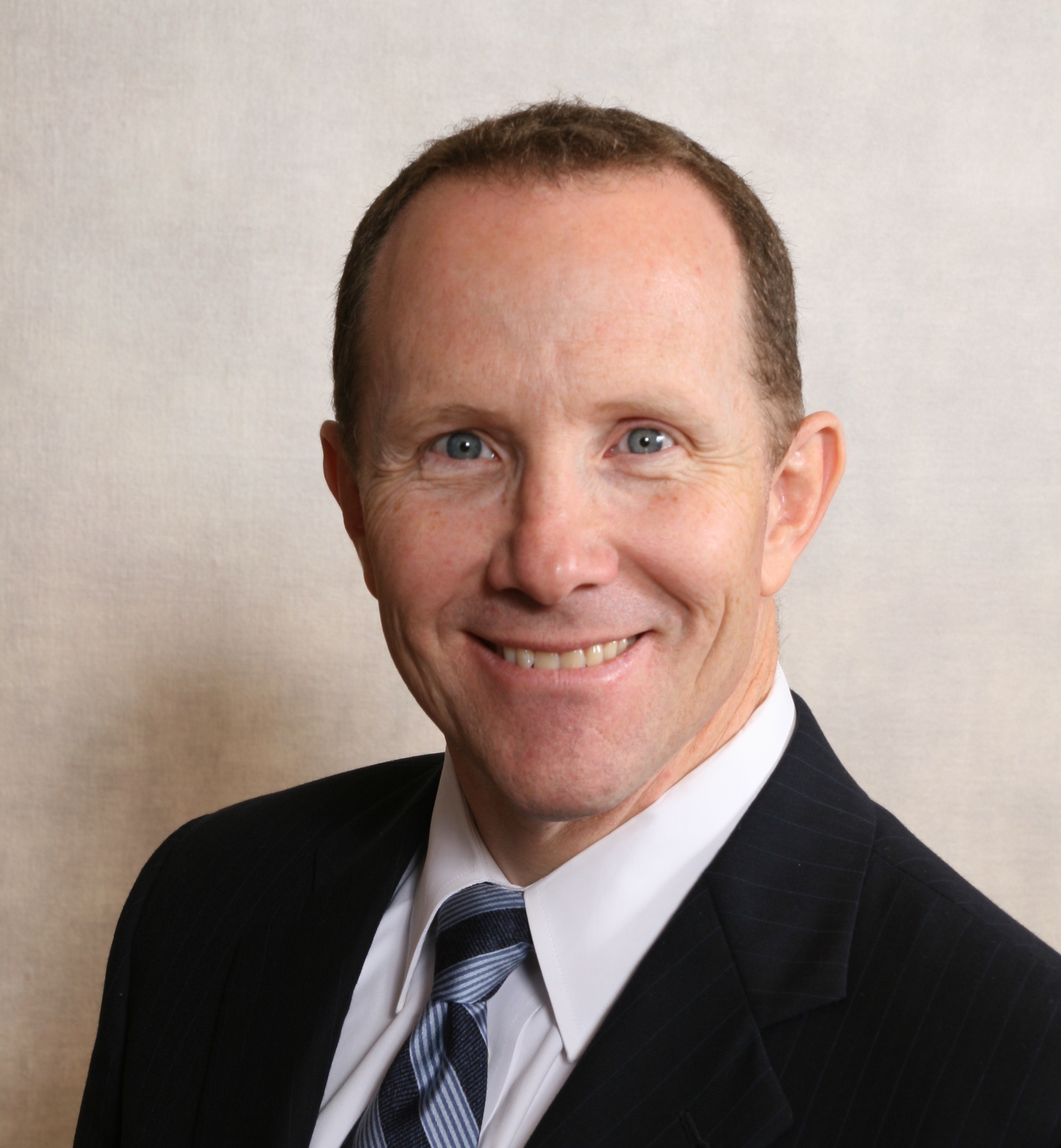
Diane CentenoDiane Centeno, APR, is the director of marketing overseeing advertising, brand development and media strategies for SeaWorld Parks & Entertainment working closely with the Busch Gardens and Sesame Place brands.  She began her career at SeaWorld a decade ago as the communications manager for Busch Gardens and Water Country USA in Williamsburg, Va., and was promoted to senior communications manager for SeaWorld, Discovery Cove and Aquatica in Orlando, Fla.

7 Crucial Job Search Tactics to Land an Entry-Level Job by Heather Huhman

Pretty soon, you’ll be donning that graduation cap, walking across the stage and taking your first step into the world of entry-level employment. Hopefully you’ve set yourself up for success throughout your college career by completing at least one internship, getting involved in on-campus groups and building a portfolio. What else is crucial to landing a job today?

Creating a job search plan. What many job seekers fail to do is create a plan consisting of multiple job search strategies in order to reach their goal. Merely combing job boards or applying to a few company openings probably won’t result in a job offer—or even an interview—in today’s tough market. You must be prepared, organized and diligent in every aspect of your job search, and creating a plan can help you stay on track. 

Spending time “company searching” as opposed to “job searching.” Part of your job search plan should be identifying 5-10 ideal companies that you’d like to work for. From there, you can work on making connections at those organizations, learning about their culture and determining your fit, and watching for openings and opportunities that are right for you.

Networking early and often. Your network is a vital resource in your job search. Friends, family, colleagues and acquaintances can help you learn about unadvertised openings, get an “in” at a specific company, or provide support while you’re job seeking. Keep in contact with important connections by adding them on professional and social networking sites, and reaching out to them to stay top of mind.

Branding yourself. You need to be your own advocate in your job search. This means having a clear idea of what makes you different from all of the other candidates vying for the same job as you (also known as your unique selling points). Communicate and share your personal brand by consistently marketing yourself across all social and professional networking platforms, as well as on your resume, cover letter and portfolio.

Harnessing the power of alumni. Don’t forget about the network you’re already a part of as a resource in your job search, which is your college or university. Consider contacting former students that are working in your field to ask for advice and job shadow opportunities. Join your college alumni network or search for groups on Facebook and LinkedIn. Because you already have something in common—your education experience—it will be easier to reach out to that individual and build a mutually beneficial relationship.

Taking things offline. While the Internet is a valuable resource for any job seeker, don’t neglect the power an in-person meeting can have. This can involve inviting another professional to lunch whom you’ve only talked with online, attending group and association meetings, and participating in conferences and meetups.

Volunteering your time. Not only can volunteering help eliminate gaps in your resume, but you can also make valuable connections with individuals at the organization. It’s also a great way to build upon your skills and add additional pieces to your professional portfolio.

Although your job search might not produce results right away, it’s important to stick with it and maintain a positive attitude throughout the process. You never know when you’ll meet someone who could lead you to your next opportunity!

What other tactics would you add to this list? Prospective graduates: What’s your plan to stand out in this job market?

Heather HuhmanHeather R. Huhman is a career expert, experienced hiring manager, and founder & president of Come Recommended, a content marketing consultancy for organizations with products that target job seekers and/or employers. She is also the author of #ENTRYLEVELtweet: Taking Your Career from Classroom to Cubicle (2010) and writes career and recruiting advice for numerous outlets.

Navigating Your Financial Future: Q&A with New Pros Brown Bag Speaker Jim Beverley

You have, or are looking forward to, one of your first jobs in public relations—and your first steady paycheck. So, how can you take steps now to ensure you are building a strong financial foundation?

Join New Professionals Section members for a free brown bag teleconference “Navigating Your Financial Future” on Thursday, April 21, hosted by financial advisor Jim Beverley.  Beverley is a financial advisor with Partners Wealth Management with more than 15 years of financial planning experience.

PRSA New Professionals Blog Co-Chair Heather Sliwinski spoke with Beverley to get a preview of some of the topics he will be covering on Thursday.

Heather Sliwinski:  In regards to their finances, what are the biggest challenges facing new professionals in today’s economy? 

Jim Beverley: These days I hear quite a bit about paying off student loans as a significant challenge to new professionals.  The cost of education required for getting a job and the recent investment landscape has made debt-free education a rare situation. 

HS: Another crop of seniors is graduating this spring.  What is a tip you have for those who are about to face their student loans? 

JB: Shop for the best available repayment strategy, pay every time on time and if you can pay more, do so.   Getting beyond these loans will help you get to saving money earlier in your life.  It also helps you build your credit for when you are ready to buy a home or car.

HS: Do young professionals often seek out your council? If not, why do you think that is the case? 

JB: Young professionals do not typically seek my council.  In most cases, I have the feeling they would rather spend their money on buying fun things for their life.  Cars, electronics, clothes and eating out seem to get the priority over paying for financial advice.  On the one hand, I understand that motivation, and yet if they would spend their first dollars saving for their own future, they would soon be able to afford all the clothes, dinners, cars and electronics they desire. 

HS: In your 16 years of experience, surely many of your clients have told you about financial regrets. What is the most common regret, and what can new professionals do early in their careers to prevent it? 

JB: By far the most common regret my clients share with me is that they did not start saving early enough, and when they started, they wish they had saved more of their income.  While there are many regrets, it is amazing to me how often I hear this response.

HS: If you could give just one piece of financial advice to recent graduates, what would it be?

JB:  Whatever your income is, live as if you earned 10 percent to 20 percent less than that, and get in the habit of saving money from your first paycheck.  Do not get into the mindset of, “as soon as I get x, then I’ll start saving”.  Save some of EVERY paycheck you get, and do it right away. 

So how do we start saving?  Find out by registering for the brown bag today!  Among the general topics, Beverley will discuss:

  • A sample budget based on an average entry-level public relations professional’s salary
  • Managing your credit, including what affects your credit score (and how it affects what you can do with your money)
  • An overview of available student loans, and tips to make the repayment process as painless as possible
  • Planning for retirement (clearly, you are not too young)

Jim BeverleyJim Beverley, CLU, ChFC, CFP®, has 16 years of experience as a financial advisor. Beverley offers Securities and Investment Advisory Services through NFP Securities, Inc., member FINRA/SIPC. NFP Securities, Inc. is not affiliated with Partners Wealth Management.  Beverley empowers clients by eliminating conflicts of interest, taking the time necessary to understand each client’s financial situation and educating clients on the solutions available to help accomplish their objectives.

Intro to Independent PR: Part One with Robert Udowitz

According to the 2008 PRSA Membership Value Perception and Satisfaction Study, 6 percent of PRSA’s members are “independent practitioners”. This month’s “Intro to” series features two such professionals who once worked in agency, corporate and association PR and have since joined the ranks of independents.  Robert Udowitz, Principal at RFP Associates, LLC, spoke with Mike Greenberg of the New Professionals Section about life as an “indie”.  Check back on Friday, February 25 for part two of the series with Susan Rink, Rink Strategic Communications, LLC.


Mike:  What was your PR experience like before you decided to practice as an independent?

Robert:  I am entering my seventh year as an independent. Immediately prior to going out on my own I was working at a trade association as its director of communications. Before that I had been in corporate communications and at a couple of PR agencies in Washington, DC, and New York City.

Mike: What do you offer clients that an agency doesn’t?

Robert: In most cases I offer my clients equal if not more experience through a more economical and efficient model.  I’ve done crisis counseling, community relations work, media relations, analyst and investor relations, writing and event planning.  I have even created an animated video—from concept, to writing the script and directing the shoot!

Mike: What is your work environment like?

Robert: My work environment is as professional as it was when I had an employer. With all the modern technology I use, the only disadvantage I have is the lack of an office tech support team at my beck and call. 

Mike: What types of non-PR abilities and interests are needed in order to succeed as an independent practitioner?

Robert: You must possess some simple financial management and business skills.  In particular, when you start out you need to determine how much to charge clients. Then you need to tabulate your monthly expenses so you know how much money has to come in to afford your lifestyle. From there it’s critical that you devote time each month toward bookkeeping and billing your clients. Your business skills are critical to building a client base, marketing yourself, and maintaining a steady income.

Mike: What are the greatest challenges an independent faces?

Robert: The work will always find you, but there’s never enough time to market yourself for those times when you need more work. As long as you stay networked and are always talking to your colleagues and meeting new people, you will find work the moment you have the time to take on something new.

Mike: What has surprised you the most about being an “indie”?

Robert: How capable I was. In the confines of office work there isn’t much time to create opportunities that go outside of your assignments. And, sometimes you observe that the decisions that are being made aren’t as productive as they should be. As an indie, you have an ability to accomplish more and there’s a degree of pride when you are able to look back and see all that you have done.

Mike: What advice would you give a new professional who wants to work as an independent?

Robert: You have to have experience, and preferably a diverse amount of experience.  The more you’ve exposed yourself to professionally before you go out on your own, the more of an asset you’ll be for your clients.

Robert UdowitzRobert Udowitz, Principal, RFP Associates, LLC

Over the course of his 25-year career, Udowitz has worked at public relations/public affairs offices, corporations, and trade associations. He recently began RFP Associates, LLC (www.rfpassociates.net), a PR agency search firm specializing in the request for proposal process for companies seeking a public relations agency. Prior to creating RFP Associates, he operated RUdowitz Consulting, a PR/PA consultancy based in Washington, DC, where his clients centered in the financial industry but included commercial real estate companies, trade associations, a magazine publisher, and government contractors.

Udowitz has been a member of the Board of the Public Relations Society of America’s National Capital Chapter for the past four years and on the Board of the Independent Public Relations Alliance for more than five.

Take a risk to get out of the rut! by Brianne Bromberek

Think you’re in the minority when you dread going to work on Monday morning? Think again. In fact, a recent study shows that nearly 84 percent of Americans are unhappy and restless at work, itching to find a new career for more money, more responsibilities, or mere satisfaction. And just a few months ago, I, too, was grouped into that statistic. In fact, I wouldn’t even call what I was feeling unhappiness or restlessness – I would call it downright disgust. Disgusted that I had worked my butt off to answer calls at the reception desk and remind my boss that he had a 2:30 conference call with someone who would later refer to me as the “nice girl who answers the phone.” Sure, every company needs an administrative professional, I thought, but that’s not me. In college, I was the girl who skipped class – but not to participate in homecoming festivities or get a head-start to the tailgate party. I spent my time networking with the Women in Business leaders, attending professional luncheons and talking to pretty much anyone that would give me 10 minutes of their time. So when I finally walked across the stage and headed out into the “real world,” I received a nice slap in the face when I landed a fancy position answering phones and making coffee. Let’s just say I started my job in July and was already looking in the wanted ads by mid-September. 

I spent two long years not only dreading my 9-5, but also making excuses – “everyone hates their job, I’m not a quitter,” or the infamous “quitting now will look bad on my resume.” What I didn’t realize was that my dissatisfaction wasn’t affecting just me – it was spreading to everyone and everything that surrounded me. People got sick of listening to my story, sitting on the other end of the line while I complained about how unfair the world was. I became cynical about the professional world and even started to resent anyone who actually enjoyed their career.  How had I become such a negative person? It’s only a job, I thought to myself. Why am I letting it affect everything around me? And that’s when it finally hit me. I wasn’t looking at this as a career, but merely a job. What’s the difference? The mindset of a job holder is focused on security and money while the mindset of a career person is focused on development and risk-taking. So instead of complaining about my job, why wasn’t I taking any risks to secure a real career?  Simply put, I was afraid.  

“Fear is a double-edged sword,” says Barbara Stoker, author of Positive Risk: How Smart Women Use Passion to Break Through Their Fears. “On the one side it keeps you safe, but it usually holds you back from doing those things that really matter.”

I was afraid to take a risk and open myself to new opportunities for the possibility of, once again, being disappointed with the outcome. So when I finally realized that making progress often involves taking risks, I not only had a new outlook on life, but I had a new found confidence in my ability to succeed. Aside from the uncertainty that comes with taking risks, there’s a certain satisfaction in knowing that you went for your dream, whether you achieve it or not. The regret of never trying can often be harder to live with than tying and failing.

How many of us can say that fear has limited us from achieving our fullest potential? We spend years exploring our options, talking with guidance counselors and taking specific steps to map out our future. And although this approach is a good way to find a career that suits us best, it’s not the only way.  Sometimes taking a risk is exactly what we need to do to figure out what we want – or don’t want. We might take a huge risk and fail…or just maybe, taking the biggest risk of our lives, can often lead us to opportunities we never knew existed.

So when I finally took a risk and left my position, I realized that life is really all about taking risks. Each and every day we all take risks that could great affect our future – moving to a new city, beginning a new relationship, or in my case, quitting a job to start a new business. Think about every great success story you’ve ever heard – nearly every one involves a little risk-taking.  

Brianne Bromberek is the owner of Studio 213, a full-service graphic design firm in Milwaukee, Wisconsin. She also works as a marketing coordinator at the Schlitz Audubon Nature Center in Bayside, Wisconsin.  Before launching her business, Bromberek graduated from the University of Wisconsin-Madison with a Bachelor of Arts in Journalism and Mass Communications and a Certificate in Women’s Studies.  She can be reached at bri@studio-213.com.