Be Unstoppable: 5 Ways to Build Confidence as a New Pro

Beginning as a new PR pro is exciting, but it can also be unnerving. Suddenly, you are no longer a student or intern – you are now taking on more significant roles within projects. As a new pro, you may interact with or even work alongside managers, directors, vice presidents and possibly even C-level executives. Being the newest professional on a team may challenge your confidence, but don’t let self-doubt undermine your skills and abilities. Here are five things you can do to help build your confidence:

1. Ask Questions

You’ve probably heard people say “knowledge is power,” and in many cases, that’s true. It’s natural to want to appear knowledgeable in the workplace, but having incorrect or incomplete information is far more costly than simply asking for clarification. Asking questions show that you are engaged and focused on accuracy. On top of that, having accurate information and a firm grip on what you are working on will make you more comfortable and confident.

2. Be Teachable

Being teachable is an incredibly important attribute for new professionals. An important part of being teachable is being open to feedback from others. As you may see over time, many seasoned professionals enjoy helping those who are newer to the field. Be humble and listen to those who are willing to share their knowledge and wisdom. Learning this way will not only help you feel more confident, but it will also help you build relationships with the pros who want to help you learn.

3. Remember Your Accomplishments

When you are working on a challenging project, or things just aren’t going your way, it can be easy to lose sight of all the things you have accomplished. It can be helpful to just take some time and reflect upon where you are and where you began. Think back even just a few years ago – what have you accomplished in that timeframe? Now think about where you are and where you could be a few years into the future. Remembering your accomplishments can serve as a reminder of the great things you are capable of doing and help build your confidence.

4. Make a Plan

When it comes to confidence, knowing where you want to go will help. You don’t have to have your entire life figured out today, but perhaps you plan on earning a Master’s degree by the time you’re 28, or you’re thinking about completing your Accreditation in Public Relations (APR) through PRSA within the next three years. Having a plan will help you feel more confident about your future, which can translate to increased confidence in the workplace.

TWITTER_jeff-adkins

5. Learn from Mistakes

Mistakes – we all make them. Some are larger than others, but all mistakes have one thing in common: we can learn from them. Understanding what went wrong and why can help prevent the same mistake from happening twice. The most important thing about learning from mistakes is to not beat yourself up. Shake it off and learn from them – tomorrow is a new day to shine.

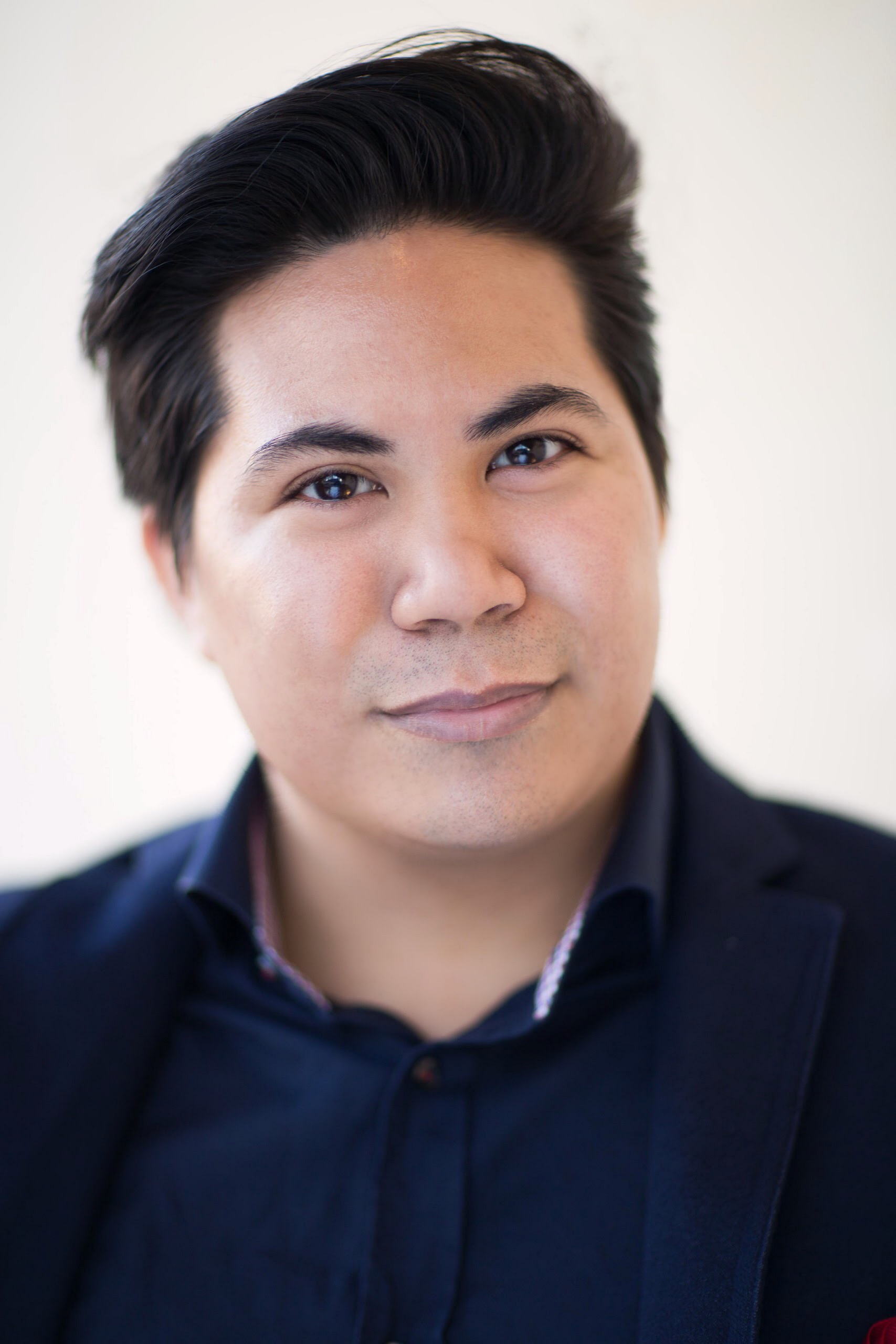
Jeff-200x300

Jeff Adkins is a public relations associate for Henry Ford Health System in Detroit, Michigan. An active member of PRSA Detroit, Jeff enjoys connecting with fellow PR pros and seeking out new professional experiences. He obtained his Bachelor’s in Public Relations in 2014 from Wayne State University (WSU), where he was a member of the WSU PRSSA executive board and a peer mentor for students entering the PR program. In his free time, Jeff enjoys kayaking and staying active outside. Feel free to connect with him on Twitter and LinkedIn.

Personal Branding: What is it and Why Should I Care?

“Be the real you because everyone else is taken and replicas don’t sell for as much.” – Dan Shawbel

As a PR professional, you’re probably familiar with branding, but have you ever stopped to think about your personal brand? If not, you’re not alone. During the day we’re busy promoting and supporting the brands of the companies and accounts that we represent. Why would we want to think about branding outside of our jobs?

Developing a personal brand is important for every professional, regardless of your job or industry. In today’s ever changing environment it has become more important than ever to embrace the idea of “career management” on an ongoing basis instead of waiting to think about your career until you need a new job.

Managing your career begins with developing and living your personal brand.

What is a Personal Brand?

A personal brand is just that-it’s personal. It encompasses everything that people think and say about you. It’s the sum of everyone’s experiences with you–the good, the bad, and the ugly.

Think about your favorite restaurant or grocery store. You expect a certain level of service every time you go there because they’ve established their brand. The same is true for you. Your personal brand is what people come to expect when they interact with you professionally or personally.

Evaluate Your Brand

Evaluating people’s perceptions of you is the first step in developing your personal brand.

Step 1 – Honestly ask yourself, “What are the five words most often used to describe me?” If you can’t think of anything ask a mentor, coworker, or friend.

Step 2 – Ask yourself, “What are the five ways that I’d like to be remembered?”

Step 3 – Compare the two lists. If what you’re known for doesn’t align with what you want to be known for, then you have some work to do on your personal brand.

People may think about you in ways that don’t initially align with your brand and that’s okay, but don’t stop there. Every company experiences similar problems, but they don’t assume that it’s their customer’s fault. They recognize that while you need to take all negative experiences with a grain of salt, you may be losing a loyal customer if you don’t address it. Take a few minutes to reflect on what part of that interaction you can control and strive to improve your relationship and provide that individual with a positive experience.

Define Your Brand

Now that you’ve evaluated your personal brand it’s time to define your brand. To get started, answer the following questions:

  1. What are your core strengths?
  2. What ONE thing sets you apart from your competition?

Now that you’ve identified the important ingredients for defining your personal brand–how you want to be remembered, your core strengths, and your differentiator – take a few minutes to write your brand essence in the form of a 45-60 second commercial.

I know it sounds cheesy, but writing a personal commercial can be extremely helpful. For example, if you’re looking for a job this commercial can used to answer the question, “Tell me about yourself,” in an interview. If you’re not looking for a job right now this will help you as you meet new people and build better relationships within your network.

Live Your Brand

You’ve evaluated your brand and delicately crafted an eloquent 45-60 second commercial. Now what?

As with any company brands don’t work unless you do. Take every opportunity to represent your brand so people start to believe about you what you believe about yourself.

Here are some areas to help you get started:

Refine Your Online Presence

    • “Google” Yourself. If you haven’t already search the internet to find out what information about you is available. If you’re looking for a job, remember, recruiters can and will use the internet to screen you. If you find something that doesn’t reflect you in the best light, remove it. It’s not worth the risk.
    • Get Social. LinkedIn is essentially a “virtual rolodex” of connections. This makes it a great tool to build and reinforce your personal brand. You can represent your brand in your profile and through the information that you publish and post. You can also include elements of your brand in your Twitter bio and other social media accounts.
    • Demonstrate Your Brand. If you have a blog or online portfolio make sure to represent what’s important to you so the network you build online has the same impression of you as your in-person connections.

Build Real Relationships

There’s no excuse to avoid networking in today’s connected world. Take advantage of the opportunities available to you through professional associations, community groups, and organizations to meet people and begin to build real relationships with real people. Technology has allowed us to connect with people faster than ever before, but it is no substitute for getting to know the real person.

Personal branding is important for every professional. It’s a part of your career whether you choose to acknowledge it or not. It’s not just a buzzword or a new trend. It’s principles are timeless.

Be real and be the best you that you can be. Work hard and demonstrate what’s important to you to the people around you. In the end you’ll be able to look back at how you’re remembered and see that by striving everyday to stay true to your personal brand, you’ve left a legacy.

11a4f30Ruthann Campbell is a marketing and communications problem solver that specializes in getting the right message to the right people every time. She graduated from Pensacola Christian College with a bachelor’s degree in advertising and public relations and currently works as Marketing & Communications Coordinator for a non-profit organization in Tallahassee, FL. You can connect with her directly to network or share ideas on LinkedIn or Twitter.

Leadership Outside of the Office

Maybe you were a leader when you were in PRSSA, or honed your leadership skills through your on-campus involvement. Now that you’re a new professional, you get to start anew and take your leadership to another level. Natural-born leader or not, there are many ways to exercise your leadership outside of the workplace.

Leaders share their wealth of knowledge with others.

PRSA and similar organizations

Local PRSA Chapters and New Pros committees are always looking for new leadership. I always hear from seasoned PR professionals that New Pros are the future of every organization, so why wait until later when you can start making an impact today?

Every organization needs strong leaders to help make crucial decisions. The best way to get your foot through the door in PRSA leadership is by leading in a committee or undertaking a big event/workshop. It’s a great way to network and get some name recognition if you hope to join the board of directors one day.

Local nonprofits and philanthropies

Most nonprofits are in need of an extra hand, and what better way to cure that do-gooder itch than to lend your expertise to a local nonprofit? Find a cause that you’re passionate about, rally up volunteers and lead the cause calling your name. If there isn’t a cause that piques your interest, start one.

There are so many ways to give back to the community: food drives, local politics, animal shelters and the list goes on. Find an area that could benefit from your expertise. A lot of millennials care about cause-driven movements, so finding people to join the effort shouldn’t be too difficult.

Share your knowledge

Leaders share their wealth of knowledge with others. Leaders also build others up, which brings up the quality of people around them. Not only does this extend your authority on the topic of leadership, but it also helps aspiring leaders learn from you. This could include speaking at a PRSA workshop, PRSSA meeting or offering advice at an organization that helped you get to where you are right now.

Even if you don’t think you’re the strongest leader around, these are great ways to become one. If you believe you’re a great leader, bring those qualities to the table and make something better.

Gemrick Curtom_LinkedIn

Gemrick Curtom is a member of the PRSA New Professionals Committee and the PRSA Houston Chapter. He is a University of Houston alum and currently resides in Houston, TX. You can follow him on Twitter or connect on LinkedIn.

Just Keep Swimming: 4 Things to Remember During a New Chapter of Your Career

You’ve seen the memes complaining that adult-ing isn’t all cracked up to be. Truth be told, it isn’t easy but it is nothing you can’t handle. Believe it or not, your time in school has prepared you for the task at hand. One thing I admire about the public relations profession is that it is full of critical thinkers and crisis managers who think creatively.

As you navigate the real world, think of yourself as your first public relations client. What is your mission statement, what are your goals for the next six months to a year, what tactics will you use to reach them, and how will you set yourself apart from other brands? Now that you don’t have defining markers like grade levels to help you advance through life, you have to learn to identify both small daily achievements as well as significant milestones that move you closer to success. Below are some tips to remember as you start a new chapter.

Set 6 month or yearly goals…

Whether it’s a creative project you want to complete, a personal achievement like reading one novel a month, or a career goal such as getting a promotion. Setting goals are important because unlike when you were in school, the fall “back-to-school” season, and even a new calendar year, don’t present much change in the “real world.”

Remain poised, passionate, and professional…

Although millennials and Generation Z are driving change in the workforce, we must remember that professionalism never changes. Put your phone away at work, take notes during meetings, and ask questions. It’s the little things that will set you apart from your peers when it’s time for a promotion.

Be curious…

Yes, your role is to manage communications for your company’s brand but there is much more to your organization or agency. Talk to everyone! Initiate small talk with someone in the finance department or reach out to someone on LinkedIn in a different industry; you never know what knowledge you will gain and how it can contribute to your personal or professional self.

Just keep swimming…

Your career is a marathon, not a sprint and things don’t always pan out as planned. Plan A can turn it to Plan B which turns into Plan C all the matter of a few months but don’t let that discourage you. Before you know it, you’ll realize you needed Plan B and Plan C to be ready for Plan A. Remember that success is relative and is dependent on what makes you fulfilled. Success doesn’t happen overnight and if it were easy, everyone would have it.

As you start a new chapter of your career, remember to stay creative, give 110% to your work, and most importantly have fun!

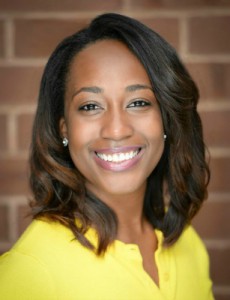
i-zthGPGn-XL-230x300

Jasmine L. Kent, a member of PRSA-LA, is a fan of all things food and beverage, pop culture, and media. Combining all three passions, Jasmine builds community through engaging online marketing and dynamic events as a communications professional in Los Angeles, CA. Keep up with her on Twitter at @JaVerne_xo or visit LoveJasPR.com.

How My Graduate Degree is Advancing My PR Career

Editor’s Note: As part of our month-long topic on continuing education we’ve touched on the APR, Tools for New Pros and other professional development. Today, we’re interviewing members of PRSA’s New Professionals section that have completed some form of higher education or are in midst of earning their graduate degree, with an end goal of advancing their public relations career.

Meet our panelists and their earned or in-progress graduate degree:

Lindsay Moeller
Master of Education in Higher Education (Student Affairs), Iowa State University

Simon Oh
Master of Science in Transportation Management (administered by the Mineta Transportation Institute), San Jose State University

Brian Price
Master’s in Public Administration, Northern Michigan University

Robyn Rudish-Laning
Master of Science in Media Arts & Technology (focus in Creative Media Practices), Duquesne University

Alyssa Stafford
M.A. Journalism and Mass Communication (concentration in Health Media and Communication), University of Georgia

What made you decide to go to graduate school?

LM: First, I love school. Second, I knew I would need to get a graduate degree in order to pursue a career in Student Affairs.

SO: To prepare myself for a greater role in transportation, potentially managing a team, department or an entire organization within the business.

BP: I decided to stay at NMU after graduating with a bachelor’s because I had a graduate assistantship opportunity. I worked as a G.A. in NMU’s communications office both years. I couldn’t turn down the discounted tuition, stipend and relevant work experience (and faculty lot parking pass!) so I’d advise anyone looking at grad school full time to research G.A. opportunities. I thought about an MBA but lacked prerequisites for multiple classes and ultimately decided to build on my communications background by applying it to public administration and policy.

RRL: It was a perfect storm of things. When I finished my undergraduate degree in 2011, jobs were hard to find and I had had some internships, but nothing that turned into a real full-time lead. I didn’t feel like I had a completely firm grasp on what I wanted to do, besides work in PR, (I understand now that no one actually has it all figured out.), but I didn’t want to move back home to figure it out either. I knew that I would have better opportunities to gain experience in Pittsburgh and I had already begun to develop connections out there from my undergraduate work. It just so happened that my alma mater, Duquesne, also offered 25 percent off of graduate degree tuition for particular programs, mine included, to alumni. So in August 2011, I packed everything up and moved back up to Pittsburgh to pick right back up where I left off in May.

AS: My bachelor’s degree is in creative writing, and I ended up in a job where I was doing sales and marketing. When I discovered public relations, I knew I wanted to make the switch, but I had no idea where to start. I decided to get my master’s in PR, thinking a formal education was what I needed to make the transition. It turned out that while my classes got me up to speed academically, the most important thing for me was being exposed to professional development opportunities as a graduate student.
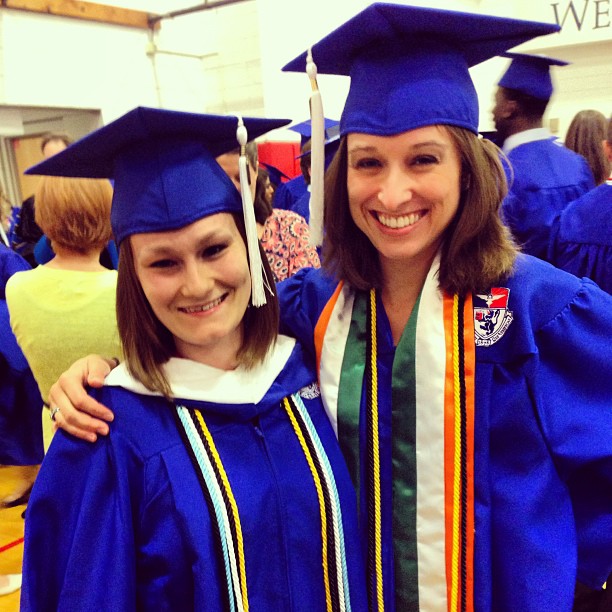
Robyn Rudish-Laning on graduation day.

Robyn Rudish-Laning on graduation day.


How has your degree helped or simply played a role in your PR career?

LM: It helped me to get my first job out of graduate school working in college admissions, which put me on the path to working in the marketing department and eventually PR.

SO: Although the degree is not required, it will almost certainly help me elevate to a position like a PIO or community relations manager for transportation projects down the line.

BP: In the classroom I learned general concepts like how to apply research, how to truly research a topic and honed my ability to read and digest complex issues; it was a unique opportunity to really build up those muscles. Outside of class, I applied that knowledge to executing digital and traditional media for NMU as a G.A. and just spent a lot more time crafting my skills. I was really in that student mindset where you try to read and learn everything while in grad school, which is difficult to maintain in a full-time job.

RRL: I felt like my graduate program was much more hands-on than my undergraduate program, even though they were within the same department at the same school. It also wasn’t entirely PR-focused. Instead, I learned a lot about related skills, like marketing, social media, journalism, advertising, web design, etc., on top of furthering my PR knowledge. The program wasn’t rigid, so I was able to pick and choose classes from a number of disciplines to round out my skill set. I think these things have been most helpful in my career because I was able to really dive into what I was interested in and what I thought would benefit me most. No two people in my program graduated with the same exact experience or degree, no matter what our diplomas said.

AS: I actually switched my concentration from Public Relations to Health Media and Communication, because I wanted to develop expertise in healthcare communications, social marketing. My concentration also emphasized health journalism, which trained me in writing about health topics for a broad public audience. I joined the Association for Healthcare Journalists and attended their annual conferences and reported at the Society for Neuroscience conference. I learned how to shoot and produce videos, worked on my writing craft and came away with a great portfolio of published work.

I also dove into professional development opportunities through UGA’s PRSSA Chapter. I served as the chair of the events committee my first year, and became president my second year. I really put myself out there in ways I hadn’t during undergrad. A big part of this was finding my passion. I didn’t know what I wanted to do in college, so I was much more energized and ambitious during graduate school. I also felt a sense that this was my last chance to make the most out of being a student. I credit PRSSA with helping me land my job at Piedmont Healthcare in Atlanta. I was hired on as a contractor in 2014, an opportunity I had because I met the PR manager at a PRSA/PRSSA networking event.

What is some advice you would give to PR pros wondering if they should go back to school?

LM: Graduate school was such a great practice for me in really learning how to buckle down and apply myself. Even if I didn’t get a degree in public relations, I think that it really helped me to learn how to research, plan and effectively communicate with multiple audiences and the importance of being able to do all of those things. I think it maps really well to PR.

SO: Think about where you stand now and where you want to go in your career. A graduate degree could expand opportunities beyond where you currently stand. Do your research before embarking on any program.

BP: Hard for me to say as I went straight through at NMU for six years. But I would think it’s important to have a vision for how this plays into your larger career goals, because this isn’t a challenge you’re going to want just for fun.

RRL: Only go back if you’re willing to put in all the work necessary and if you’re doing it to better yourself. Don’t go back to delay getting out into the real world or assume it’s going to be easy. The two years I spent working on my master’s were the two hardest years of my life so far. The best advice I can give is to be sure you’re pursuing it because you want to continue to learn.

AS: Even if you get funding through a graduate assistantship, grad school is expensive and time consuming. Think deeply about your goals and spend time asking questions of faculty and staff at your prospective grad school. Make sure that you really need and want a graduate degree before you commit. I usually encourage people to work for a year or more between undergrad and grad school, because it gives you time to establish yourself in the workplace. If you’re like me, you’ll learn a lot about yourself during that time and it will lend a lot of perspective to the decision-making process. Also, you’ll have work experience on your resume that will distinguish you from other graduate students who are job hunting at the same time you are.
Brian Price with his diploma in snowy Northern Michigan.

Brian Price with his diploma in snowy Northern Michigan.

What’s a fun fact or your favorite memory from grad school?

LM: This won’t seem like a fun memory to most, but at the end of my first semester of graduate school I had to write four papers which were due during finals week for a total of over 60 pages. It wasn’t fun at the time, but it was really fun for me once it was over.

SO: Working on a group project about transit-oriented development and, by my suggestion, injecting corgis into nearly every aspect of our presentation. Too bad we couldn’t get corgi ears headbands as part of the bit…or actual corgis.

BP: Teaching. During my final semester I was an adjunct instructor in my undergraduate academic department, teaching Introduction to Public Address to 23 freshmen and sophomores. It’s fun and I learned so much having the chance to teach a class while in grad school.

RRL: As a grad student, I worked for the Duquesne’s student newspaper, The Duke. In addition to helping me fine-tune my writing skills, all of the hours and late nights spent working on it gave me some of the best memories. My favorite was the “awards” ceremony we did after we finished the last issue of the year each year. We’d spend a week coming up with awards or superlatives for each of the editors and our advisor. I use the word “award” loosely because most of them were poking fun at the recipient or an inside joke we were all in on. Some of them were incredibly heartfelt, though, even if they were tinged with a bit of sass. We’d try to get the issue done as early as we could that night and take turns bestowing these awards on our colleagues, before heading to the nearest pizzeria/bar to celebrate. My favorite award? “Most likely to keep the newsroom waters calm as a proverbial tsunami approaches.”

AS: Traveling to the 2015 Association of Healthcare Journalists conference in San Francisco, meeting incredible reporters from around the country who are telling important health stories.

Considering going back to school or have an experience to share? Tweet us at #NPPRSA